
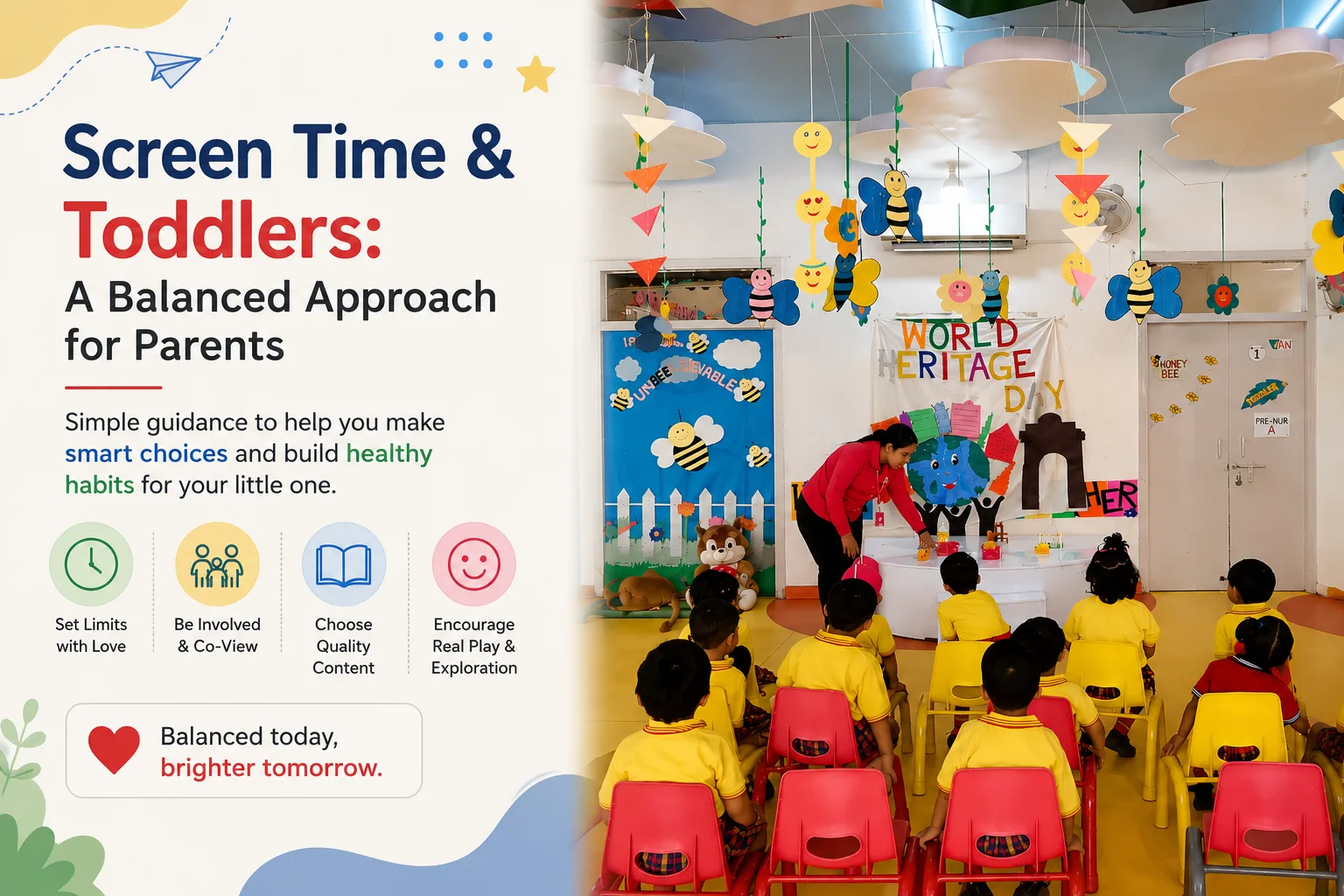
Few parenting topics generate as much ongoing discussion, and occasional guilt, as screen time for young children. Between conflicting advice, the genuine convenience screens can offer during a demanding day, and legitimate concerns about early childhood development, it is a subject worth approaching thoughtfully rather than with either strict rigidity or complete permissiveness. This guide looks at what general paediatric guidance suggests about screen time for toddlers and preschoolers, why these recommendations exist, and practical ways to find a genuinely workable balance at home.
Why Screen Time Guidance Focuses So Heavily on Early Childhood
The early years, roughly birth through five, represent a period of extraordinarily rapid brain development, particularly in areas related to language, attention, and social-emotional regulation. Much of this development depends heavily on direct, interactive experience — conversation, physical play, hands-on exploration, and face-to-face social interaction. This is the primary reasoning behind widely cited paediatric guidance recommending limited screen exposure during these specific years.
General Guidance on Screen Time by Age
- Under 18–24 months: Generally recommended to avoid screen time altogether, apart from occasional video calling with family, considered a different category due to its genuinely interactive, social nature.
- Roughly 2 to 5 years: Generally recommended to limit screen time to no more than about one hour per day of high-quality, age-appropriate content, ideally co-viewed with a parent or caregiver.
These figures represent general population-level guidance, not strict individual rules. Occasional departures — a longer car journey, a sick day, a demanding week — are unlikely to cause meaningful harm on their own; what matters more is the overall pattern across weeks and months.
Practical Alternatives to Screen Time
- Sensory and hands-on play — sorting, building, water or sand play, offering rich alternatives that also support fine motor and cognitive development.
- Outdoor time — even brief outdoor play offers physical, sensory, and social benefits screen time cannot replicate.
- Shared reading and storytelling — strong language and bonding benefits, and a genuinely enjoyable alternative routine.
- Simple pretend play — builds creativity and language skills through imaginative, open-ended play.
How This Connects to the Preschool Classroom
Well-designed preschool classrooms are, in many ways, built around exactly the kind of interactive, hands-on experience that screen-time guidance encourages more of at home: storytelling, sensory play, social interaction, art and craft, music and movement, and structured outdoor play. At Red Butterfly Play School & Day Care, these categories of activity form the daily backbone of every programme, from Pre-Nursery through Mini Marvels, offering children consistent, rich, interactive engagement throughout the school day.
Frequently Asked Questions
Is all screen time equally concerning, regardless of content?
No. Slow-paced, age-appropriate, co-viewed content is generally considered meaningfully different from fast-paced, passive, unaccompanied viewing, though both still count toward general daily screen-time guidance.
What if my child's screen time has crept up gradually and I want to reduce it now?
Gradual, consistent reduction — rather than an abrupt, dramatic change — combined with genuinely engaging alternative activities, tends to be the most sustainable and least conflict-heavy approach.
Finding a Balance That Works for Your Family
Screen time guidance is best understood as general, helpful direction rather than a rigid rule to follow perfectly at all times. Parents in Sector 89, Hayatpur, and the surrounding Gurugram community are welcome to discuss activity-based, low-screen-time approaches directly with the Red Butterfly team.
This article reflects general paediatric guidance and is intended for informational purposes only. For questions specific to your child, please consult your paediatrician.